Song
Beat Him to the Line
Rick (Curse Breaker) · 4:10 · from What You Feed
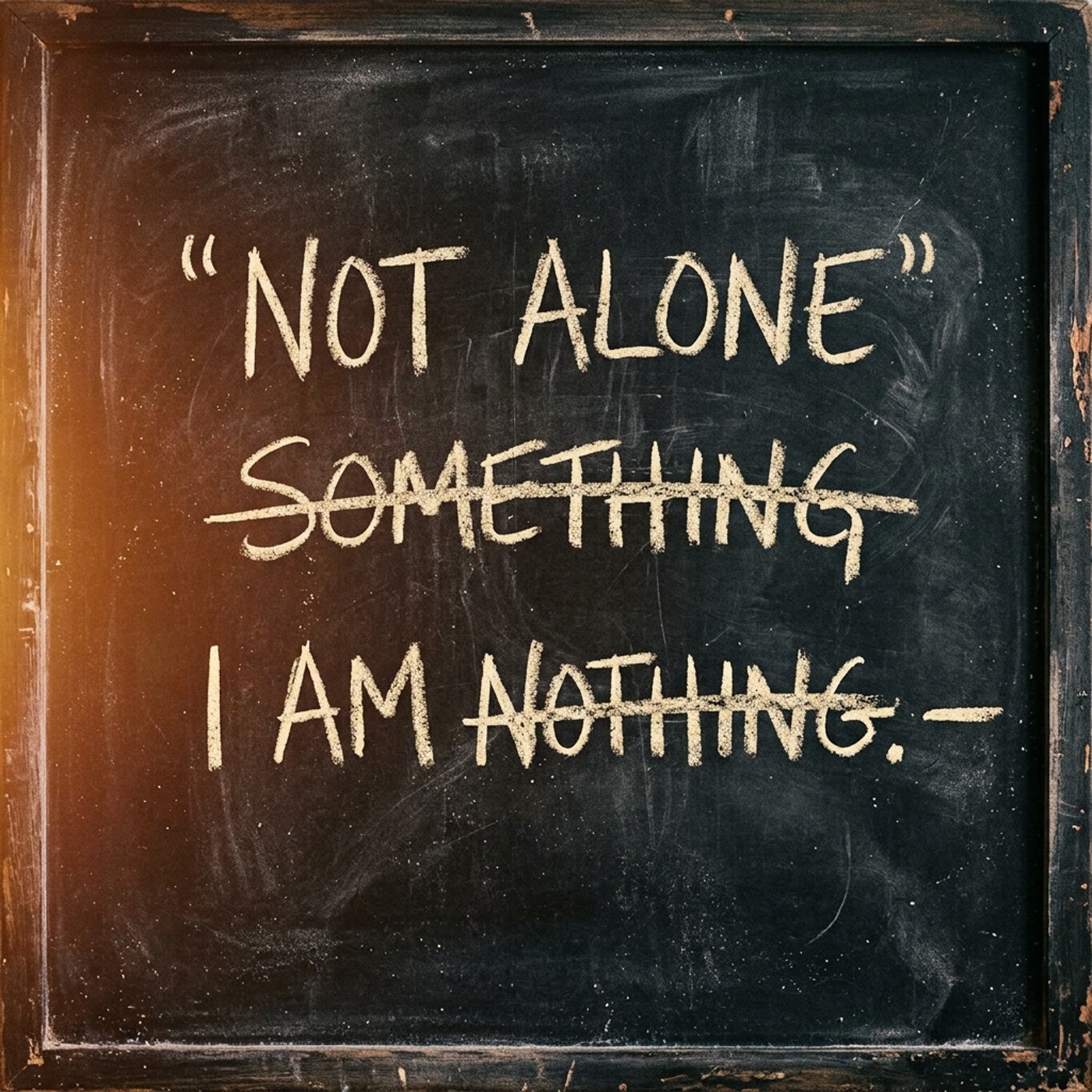
One sentence on repeat — and the sentence keeps changing: I am nothing. I am something. Help others. I am not alone.
Warrior's Way Mindset — a mentor's songs for men doing the work.
What “Beat Him to the Line” is about
Beat Him to the Line is a true story told days after a funeral. A man who lived in hell — addicted, written off, a doormat with the lowest esteem a man can have — running one sentence on repeat: I am nothing. Then one call, one man who placed a bet on him, and the sentence starts to change. The title is the hardest line on the album: his father drank himself to death, and on the path he was walking he'd have beaten him to that line — by twenty years. Sung low and bare over a string quintet, quieter where other anthems get louder, because the power is in the stillness. It ends where the whole Warriors Way begins: I am not alone. Together we're stronger. For anyone breaking the cycle of generational addiction, it stands as proof the line doesn't have to be crossed. Listen free on Mi.
About “Beat Him to the Line”
From a phalanx call, August 2026 — testimony given days after the speaker's father died of drinking. The song runs on one device: 'just one sentence on repeat,' and the sentence evolves — I am nothing → I am something → help others → I am not alone. That evolution IS the recovery arc. It was co-written line by line and rendered as a cover of the take that resonated: a low chest baritone over a neo-classical string quintet, and when it intensifies the voice gets LOWER and closer, never higher — power as stillness, not volume.
The journey
- 01
The Bottom
Hell: addicted, no hope, written off — agreeing with everyone who treated him like nothing.
- 02
I Am Nothing
The sentence on repeat, the first time. And now?
- 03
The Bet
One call. A man who saw what he couldn't — and placed a bet on him. He showed up.
- 04
I Am Something
The same sentence, changed by the work. I was nothing. And now?
- 05
The Proof
He's not the only one — kings, warriors, men cured of what was killing them.
- 06
Help Others
The sentence turns outward: help the ones who still think they're nothing.
- 07
The Line
His father drank himself to death last Thursday. On his old path, he'd have beaten him to that line — by twenty.
- 08
The Reach
To whoever's listening: you didn't click for nothing. You came looking for an answer.
- 09
Not Alone
The final sentence: I am not alone. Together we're stronger.
From the testimony
“Just one sentence on repeat: I am nothing.” — from the song
“One call. A man who saw what I couldn't. He placed a bet on me.” — from the song
“I am not alone. Together we're stronger.” — from the song
Lyrics
I lived in hell. Addicted. No hope. No purpose. The rest of the world wrote me off. A doormat — just begging to be used. To prove I was worth the time. Lowest esteem a man could have. Family treated me like shit I agreed with them. I didn't believe I didn't show up for myself. my ex — she'd use it against me. my brother — he'd run from feelings. I was looking for answers... and had none. Just one sentence on repeat: I am nothing. I am nothing. I was nothing. And now? One call. A man who saw what I couldn't. He placed a bet on me. I showed up. Got injured. Got tools. Got stronger. I was starting to believe. Just one sentence on repeat: I am something. I am something. I was nothing. And now? I'm not the only one. A king. A warrior. Cured of depression. Addiction. Afraid to leave my home. If I had one. Seven feet tall. Muck Angels All of this despair, replaced with... Just one sentence on repeat: Help others. Help others. Help others. Helping others. Who think they're nothing. Nothing. I share this 'cause it's relevant. My dad just died last Thursday. Guess what he died from. He drank himself to death. That's where I was going only quicker. I'd beat him to the line. By twenty. I tell you that because that is where I was. And now? I'm not carrying it alone. Real brothers. Men who've conquered it all — Something brought you here. You didn't click for nothing. You came looking for an answer. Here's what I found... Just one sentence on repeat: I am not alone. I am not alone. I am not alone. Together we're stronger.
Lyrics © Mi. / the Re. Read the lyric sheet in the app.
Behind the Music
The story behind “Beat Him to the Line” — the session, the writing, and what it took to get it out. Watch on Mi.’s YouTube channel.
The full story of this video›
This episode is a testimony, given days after a funeral. A man stands in front of his brothers on the call and tells the whole truth: the addiction, the hopelessness, the years of feeling like a doormat — and the one sentence that ran on repeat through all of it: I am nothing. Then the other half: one call, one man who saw something in him that he couldn't see in himself and placed a bet on him. He showed up. Got injured. Got tools. Got stronger. The sentence started to change.
The hardest moment gives the song its title. His father had just died — drank himself to death — and on the road he'd been walking, he'd have beaten him to that line by twenty years. He says it plainly, because naming the road out loud is how the cycle breaks: family history spoken into a room of men who hold it with you, and someone willing to believe in you before you can.
The song keeps his testimony in his own words, sung low over a string quintet — and when it intensifies, the voice gets quieter and closer, never louder. The sentence walks its full arc: I am nothing. I am something. Help others. I am not alone. Together we're stronger.
The story behind the song
Beat Him to the Line: A Testimony of Breaking the Cycle
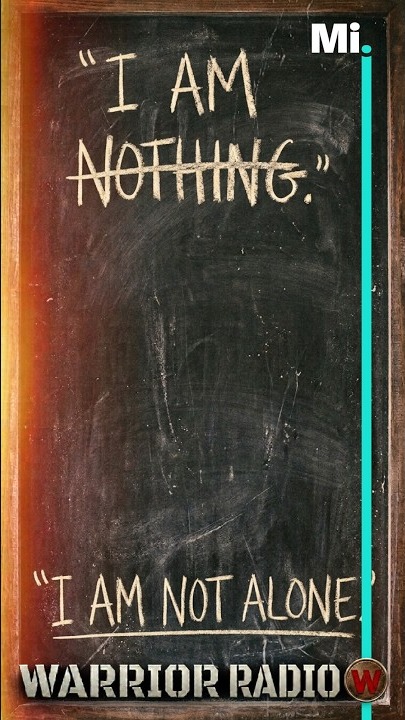
One sentence on repeat — and the sentence keeps changing: I am nothing. I am something. Help others. I am not alone.
Days after burying his father, a man stood in front of his brothers on a phalanx call and told the whole truth. The addiction. The hopelessness. The years of being, in his words, a doormat with the lowest esteem a man can have. And the sentence that ran on repeat through all of it: I am nothing.
This song is his testimony, kept in his own words — some lines protected verbatim, because that was the condition of making it at all. Reverence first.
The line
“My dad just died last Thursday. Guess what he died from. He drank himself to death. That's where I was going — only quicker. I'd have beat him to the line. By twenty.”
— from the testimony
That's where the title comes from, and it's the hardest arithmetic in recovery: the child of the cycle doesn't just inherit the road — he often travels it faster. Breaking the cycle of generational addiction starts exactly where this man started: naming the road out loud, in a room of men who hold it with you instead of flinching.
The bet
“One call. A man who saw what I couldn't. He placed a bet on me. I showed up. Got injured. Got tools. Got stronger.”
— from the song
Notice what actually broke the cycle. Not willpower alone. Not hitting bottom — he'd lived at the bottom for years. It was one person willing to believe in him before he could believe in himself, and his decision to show up anyway. Then the sentence changed: I am something. Then it turned outward: help others. Then it landed where the whole brotherhood begins: I am not alone.
Why the voice gets quieter
The track inverts every anthem rule: a low chest baritone over an acoustic string quintet, and when the song intensifies, the voice gets lower, closer, and quieter — never higher. The hardest lines are delivered nearly still, at conversational distance. Because that's how the testimony was actually given: not shouted. Said. To brothers. With the grief still fresh and the sentence finally pointed somewhere true.
If you're carrying this road yourself: in the US, the SAMHSA National Helpline is free, confidential, 24/7 — 1-800-662-4357. If you're in crisis, call or text 988. You didn't click for nothing.
Proud Sponsor
The Warrior's Way Mindset
This isn't just a men's group — it's a badass MENtor Group.
A mentorship community for men committed to personal development. Mindset coaching, the Battlefield of the Mind podcast, and a Discord brotherhood led by Rick.
Book a call →Sponsored content · Mi. partner
Upcoming Events
📅 Sat, Oct 17 · 10:00 AM CT
Q&A With Rick
Meet Rick, ask questions, find your place in the pack.
↻ Every Saturday · 📍 Virtual — the link drops in the Discord
Events in series
📅 Sat, Oct 17 · 10:00 AM CT
📅 Sat, Oct 24 · 10:00 AM CT
📅 Sat, Oct 31 · 10:00 AM CT
📅 Sat, Nov 7 · 10:00 AM CT
About Rick (Curse Breaker)
Rick: Codename: Curse Breaker breaks generational curses out loud. This one belongs to the brotherhood around him: a phalanx brother's testimony — the bottom, the bet a mentor placed on him, and the line his father crossed that he refused to. The words were kept faithful to how he told it; some lines are his, verbatim, protected.
More from Rick (Curse Breaker)
What You Feed keeps growing — five songs live, six more coming through the Audition Pool.
The Making Of
The Inspiration
A bare, neo-classical testimony — a low chest baritone, close and dry, over an acoustic string-quintet film-score bed — where intensity moves DOWNWARD: lower, closer, quieter, never higher.
- Neo-classical
- Film-score testimony
- ~57 BPM felt half-time
- Major surface over profound weight
- Low chest baritone
- Sung and pitched, never spoken
- Intensity goes lower, not higher
- Close-mic, dry, almost still
- Acoustic string quintet bed
- Two violins, viola, cello, contrabass
- Bare, intimate arrangement
- Sentence-on-repeat refrain architecture
- Testimony arc: nothing → something → others → not alone
- Grief and recovery
- Brotherhood · 2
This track was generated with AI from a documented analysis of a genre's structural elements — tempo, vocal delivery, arrangement, and production aesthetic. Mi. publishes that analysis below. Any resemblance to a specific recording artist's voice or composition is a coincidence of methodology, not imitation.
Sonic Architecture
Vocal Delivery
One male voice — a low chest baritone, sung and pitched, never spoken — sitting deep in the register with no falsetto, no head voice, no high notes anywhere. The signature inversion: when the song intensifies, the voice gets LOWER, closer, and quieter instead of climbing. The hardest lines are delivered nearly still, close to the mic, dry.
Structure
Built on a single device: one sentence on repeat, returning as the chorus and changing its words each time — the refrain's evolution is the narrative. Verses are short declarative lines, almost spoken-cadence but always pitched; the bridge drops to the barest moment in the song, and the final refrain lands as the destination the whole track was walking toward.
Production Aesthetic
A fully acoustic neo-classical bed — two violins, viola, cello, contrabass — playing a film-score role at ~57 BPM felt half-time: sustained, patient, swelling under the testimony without ever covering it. No drums, no band, nothing electronic; the space around the voice is part of the arrangement.
Mood Territory
Grief and recovery held in the same hand — a major-key surface carrying profound weight. The track refuses anthem bombast; its power is the stillness of a man saying the hardest true things at conversational distance, and the warmth that arrives when the sentence finally turns outward.
How this song was made
Beat Him to the Line came out of Rick's coaching and his own surrender — the Warrior's Way Mindset — with Rick's words shaped into a song and produced by Mi. The words above are Rick (Curse Breaker)'s own; the lyrics are Mi.'s and the Re's. How Mi. works · Listen and read the lyrics in the app.
Mi. — iM HEARD · songs made from real conversations, each one written for the person who lived it.